
Selected Case Studies
Series B Startup
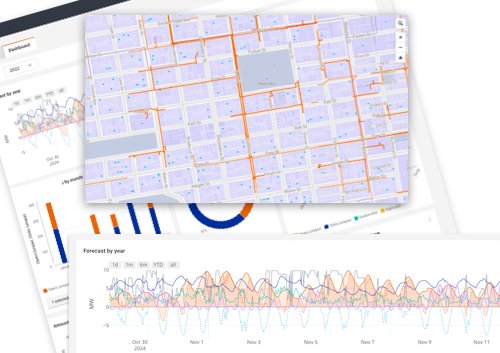
Data analytics Geo-spatial tools Scenario forecasting UX strategy Design System
Transforming analytics capabilities into a platform as a product
The company had the core capabilities of a working product and growing client list but hadn't defined an architecture in which to build them — every new engagement was effectively a custom build. The question wasn't what functionality to build next, but how functionality could fit together to incrementally build a product."
+
A fast-paced schedule, tight deadlines and under-resourced growing teams led to inconsistencies and compromised usability.
Transform custom data-analytics deliverables into scalable platform-as-product using project work being driven by multiple customer engagements. The company was scaling rapidly but without a defined product structure there was a gap between sprint work and broader company goals — it was hard for anyone to know how their work fit into the bigger picture.
ACTION
Used user journey mapping to identify archetypal UX modules and define a framework structure around those. Built framework through prioritized project work with a PM assigned to wrange backlogs toward framework goals. Introduce a design system to help consistent UI/UX across teams and make design work as efficient as possible.
• Framework approach broadly embraced • Boosted alignment; help provide a shared vision • Increased efficiency • Improved consistency, improved usability
Top ranked mobile app | 30M MAU
UX strategy techniques Collaborative worksessions Systemic change User-centered design Design system Shared goals
Siloed teams leading to broken UX funnels and unclear priorities
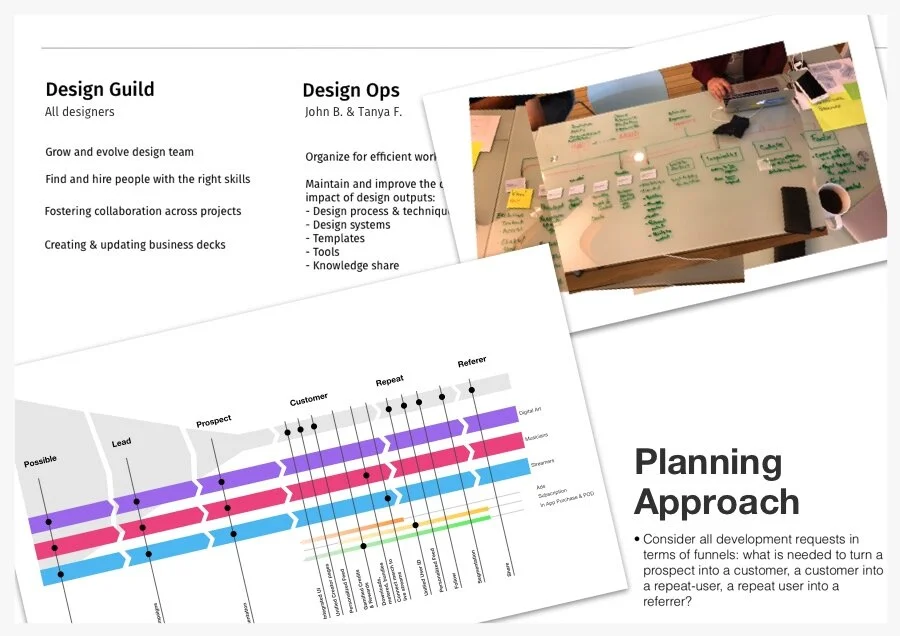
Work was aligned to company structure rather than to the user journey or business goals — teams were executing independently but not in coordination with each other or with product strategy. The result was fragmented UX funnels, growing tech and UX debt, and obscured priorities that hindered revenue.
Siloed teams and lack of coordination at various levels meant: broken UX funnels, tech debt, functionality delayed, competing strategies and obscured priorities.
ACTION
Product review and one-on-one sessions across teams to assess situation. Once siloed thinking was identified as problematic take multiple steps to bring change.
Collaborative work to nudge teams to see problems. Position problems as opportunities with leaders. Create shared resources and bring connection where there was isolation. Introduce UX strategy techniques to focus thinking on users rather than team and mend funnels.
• Collaboration instead of silos • Priorities became more clear • Improved efficiency • Planning & operations became easier • Improved UX funnels • Improved brand and UI consistency
Top ranked mobile app | 30M MAU
Mobile
MVPs
UGC content
Virtual currency
In-app purchasing
Design system
Data driven optimization
A/B testing
B2C/B2B
0-to-1
Build, test, learn, validate, optimize; bringing a new product line into a top mobile app
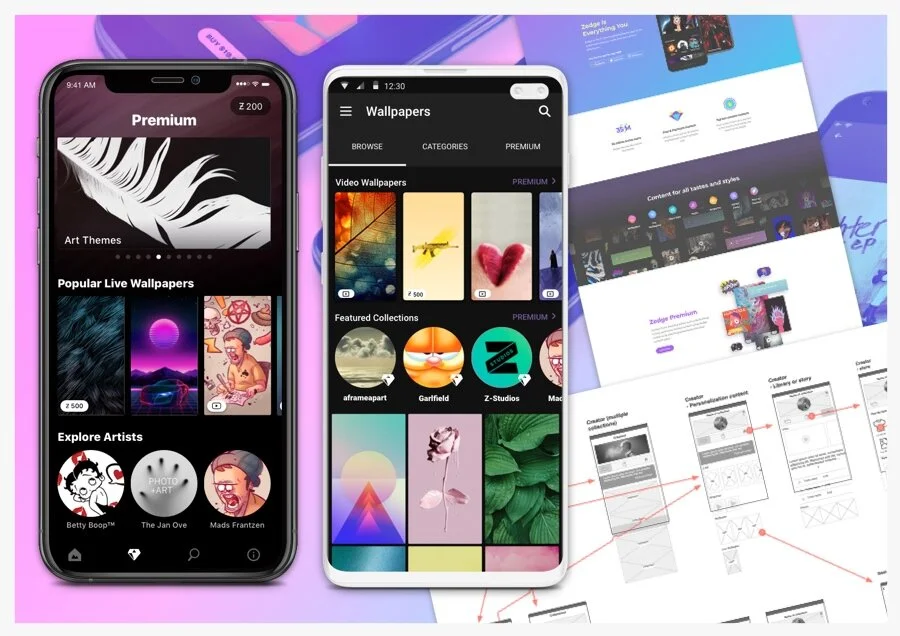
Bringing a new revenue-generating product line into an existing top-ranked app — launching first on iOS as a lower-risk MVP to validate the concept and new monetization model before integrating into the main Android platform. Coordinating across app and admin tool teams throughout to protect existing KPIs.
Initial work was needed to translate the core product concept which was a stand-alone app to the new context of an existing app with a new team. MVP bringing new content types and features of a new revenue stream to existing users without any negative impact and with no use of core product resources.
ACTION
Understand the user base; employ behavioral data. Guide work using existing concept overviews while allowing for new ideas with agile sprint process. Prototype testing for alignement and validation.
Provide coordination between teams and their respective backlogs (iOS/Android apps and admin tools) by working with all three teams plus IC design work for first version admin tool. In the Admin tool work, to handle potential conflicts because of dependencies, I aimed for contained taskflows and modular UX for (potential) damage control. Retained user testing (best practices) even though under time pressures by using guerilla/internal testing.
• Successful integration of validated new product line at no detriment to existing KPIs • Admin tool stayed on track and aligned with app and internal needs
Seed to Series A Startup
Mobile
Unity 3D
App Builder CMS
Music player
Freemium techniques
B2C/B2B
A startup where strategy and technical approach were at odds but still achieved KPI success
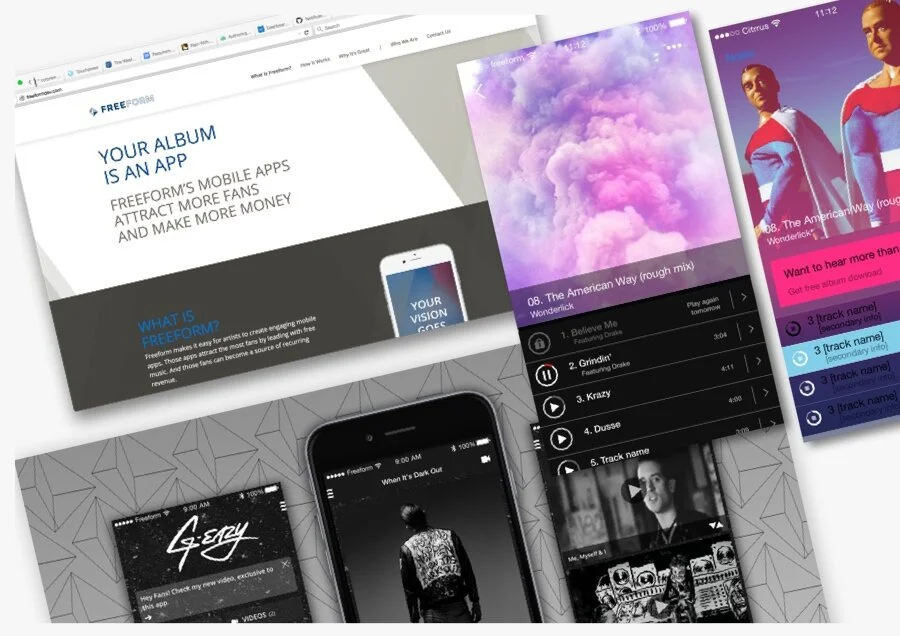
A seed-stage startup where the product strategy and the technical approach created a conflict — strategy needed rapid, agile build for immediate KPI proof whereas technology platform was suited to future planned features. Those decisions were already baked in before I joined. Working within those constraints, and despite them, the MVP delivered strong market signal: over 7% install-to-conversion rate. The architecture, not the concept, was what limited what came next.
A B2B2C startup at early-stage launching multiple customized B2C apps while building the B2B customization tool. With changing priorities and limited resources, design work needed to balance flexibility and speed with validated stakes in the ground in order to also create foundational systems.
ACTION
Systematized as many steps of our service for MVP creators as possible e.g. do-it-yourself guides and a template asset exporter. Also, design files with symbols and styles that matched customization options so that comps could be created easily as per creator's customization choices. To create feeling of uniqueness the artist artwork was prioritized as much possible over the UI furniture; we used a translucent UI to let the artwork brand the app look and feel and limit need for custom UI work.
• Sustained pace with aggressive scope and schedule • High KPI success • ARPU up to 17¢ • ARPPU over $2
fortune 500 company
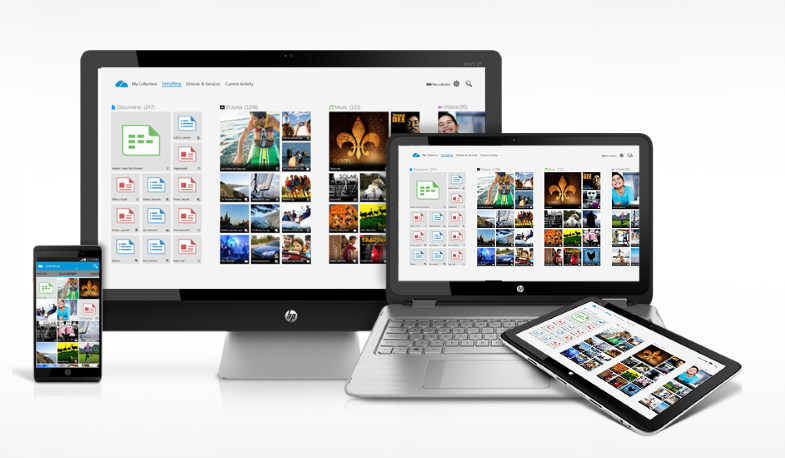
Design strategy Design sprints Cloud sync’ing Cross-platform UX Windows iOS Android Web Distributed teams
Crisis management and coordination
A mismatch between the design concept and the technical architecture capabilities meant designs were largely unusable but multiple teams were already building and marketing had committed on value prop
Consultancy deliverables couldn't be built and were incomplete. Design concept and technical architecture misalignment but engineering resources were allocated and development was underway. Marketing communications had already begun. Four distributed design/dev teams needed coordination.
ACTION
Audit PRDs, design deliverables and technology approach for disconnects; identify unsupportable features; workshop replacement solutions guided by User Journey mapping, using design sprint workshops and arbitrating between competing PM and marketing goals; prioritize design work for largest/fastest team (Android) and have teams translate UX & features to their platform.
• The project stayed on track • Teams continued to work • The launched product stayed close enough to early marketing promise • A coherent omni-platform UX was created
Selected Older Project Work
Cross-platform UX/UI for managing set up and integrated music services for a wireless HiFi system
Create a competitor product to existing market leader, including streaming digital audio from external services, local network content and integrated streaming audio and Internet radio. (Windows desktop, Android, iOS).
UX/UI for all-in-one computer (PC) converted for use as a kiosk style product using Android OS
Create a kiosk style, walled-garden UX for a multi-media focused product offer by using Android OS on a touchscreen all-in-one computer. (Windows, Android)
UX/UI for a cross-platform product for local network file sharing plus backup features
Collaborate with engineering to define a more user-friendly/useful product UX including detailed taskflow analysis and optimization. (Windows, Mac, Android, iOS)
UX/UI upgrade for consumer software suite on all-in-one touchscreen desktop PC
Upgrade UX/UI to achieve maximum benefit to end-users within technical and schedule constraints.
Concepts for a touchscreen tablet product (pre iPad)
Ideation and concepts using early Android OS and before iPad had launched that looked at converting the HP mini Netbook product (Windows) to an Android OS. Ideation included exploring a new appropriate UX/conceptual model for the tablet Home screen.
UX Guidelines & Interaction Patterns for UI kit component library (2010)
I created the foundational UX principles and interaction patterns for guidelines and applications component library (both mouse/pointer/keyboard and touch UIs) for the consumer software division, Hewlett Packard.
Interaction design specialist for multiple product types
Guidelines and mapping rules for keyboard/mouse and keyboard/trackpad interaction to translate products designed for touch screen interaction to a non-touch screen display. Also consulted on other interaction mapping including game controllers, 10ft UI, trackpads. (HP)
Web
Various marcom web sites (games & auto products)
IA/Ix/UI design for experiential and community web sites including rich media, community features and dashboard design.
Various e-commerce and informational web sites
Web sites for McAfee, Dolby.com, Michelin, Dole.com, Digital Chocolate, Chefs Catalog, Xerox